




 Belgium -
English
Belgium -
English

Patient-tailored shockwave therapy
A smarter way to use shockwave therapy in your physiotherapy practice
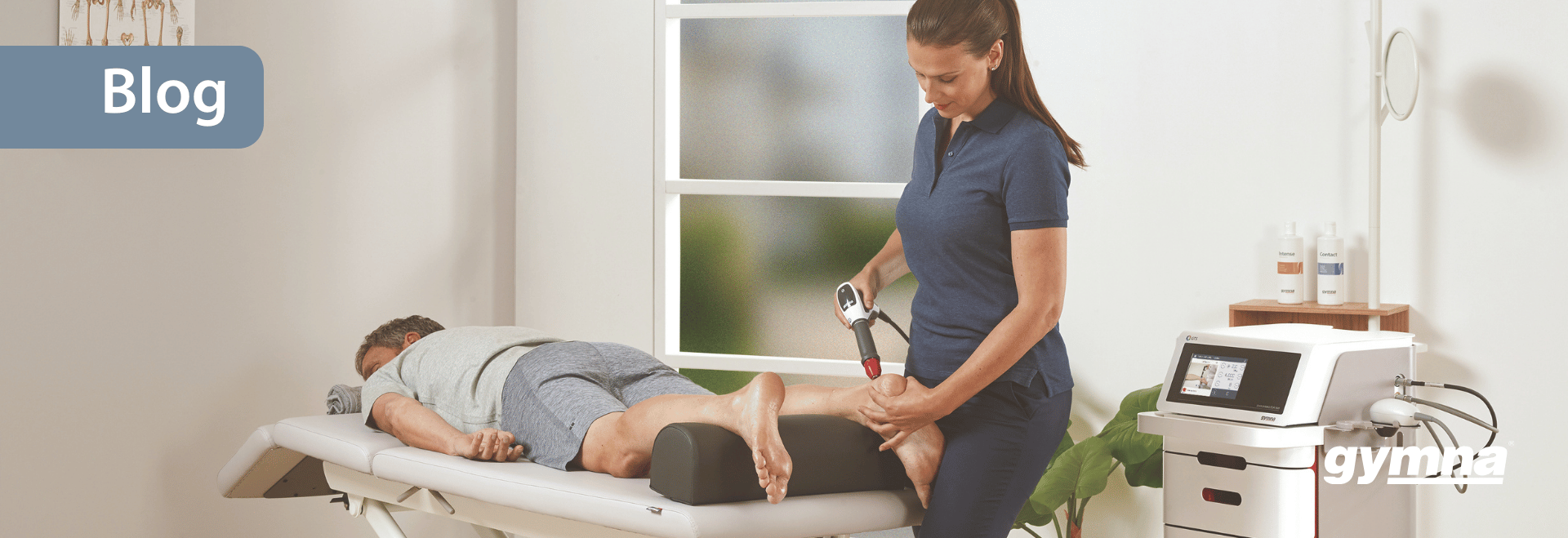
Shockwave therapy has become a routine part of modern physiotherapy, helping people recover from chronic pain, tendinopathies, plantar fasciitis, and sports injuries. While traditional protocols apply the same settings to every patient, real-world experience shows that one size rarely fits all. Physiotherapists increasingly move toward adaptive, patient-tailored strategies, adjusting intensity, dosage, and timing based on tissue response, individual tolerance, and the stage of healing. By observing how each patient responds, clinicians can reduce discomfort, accelerate recovery, and achieve more consistent outcomes.
Key Takeaways for Physiotherapists
- Shockwave therapy works best when guided by clinical reasoning, not rigid protocols alone
- Identical diagnoses do not guarantee identical tissue responses
- Adjusting parameters based on patient feedback is a strength, not a weakness
- Involving patients in the treatment process improves confidence and engagement
- Patient-guided therapy can support more consistent decision-making without reducing physiotherapist autonomy
A patient-oriented mindset helps physiotherapists use shockwave therapy with greater confidence, clarity, and clinical intent — regardless of experience level.
Some patients progress quickly with higher intensities, while others require a gentler, stepwise approach. This variability highlights why standardized settings often fall short. A personalized, tissue-specific approach, grounded in clinical reasoning and supported where appropriate by intelligent technology, allows physiotherapists to deliver care that truly meets each patient’s needs.
From protocol-driven to patient-oriented shockwave therapy
Like exercise therapy, manual therapy, or load management, shockwave therapy is not a one-size-fits-all intervention. It has traditionally been delivered using fixed protocols, with predefined settings for impulses, frequency and intensity, largely based on a particular diagnosis. For many physiotherapists, these protocols provided a helpful starting point and clinical confidence when first integrating shockwave therapy into clinical practice.
With experience, however, a familiar pattern emerges: real patients don’t behave like textbook cases. Just as two patients with the same condition require different exercise loads or progressions, responses to shockwave therapy vary depending on pain sensitivity, tissue quality, loading history, and recovery capacity.
A patient-oriented approach does not mean abandoning protocols altogether. Instead, treatment suggestions can be used as reference points rather than rules. Intensity, frequency, impulses, and session spacing are adjusted session by session, guided by tissue response, the therapist’s assessment and patient feedback. The focus shifts from “Am I following the protocol correctly?” to “Is this the right stimulus for this patient, today?”
Why one shockwave therapy setting never fits all
Patient-tailored shockwave therapy starts with a clear clinical goal. In some cases, the primary aim is pain modulation in irritable or sensitised tissue. In others, the focus shifts toward stimulating tissue regeneration, tendon calcification treatment, improving load tolerance, or supporting long-term functional recovery. These different objectives directly influence how shockwave therapy parameters are selected.
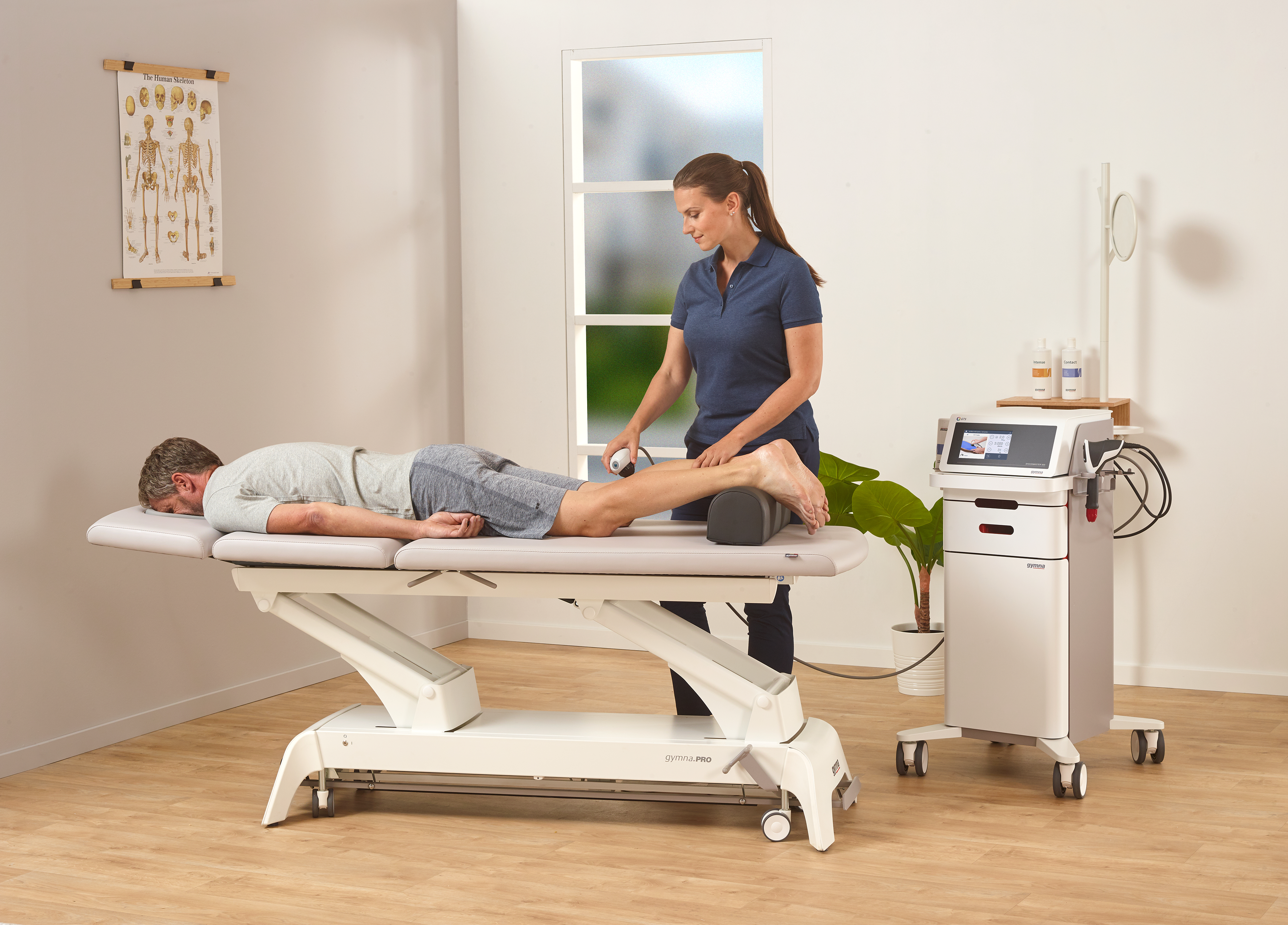
One of the most common challenges physiotherapists report is parameter selection. Small adjustments in intensity, frequency, number of impulses, treatment depth, or applicator choice can meaningfully alter the biological response.
“I used to think inconsistent results meant I was doing something wrong. Now I realise it often just means the tissue needs a different approach that day.”
This physiotherapist of a sports rehabilitation practice was happy to comment on his experience.
In daily practice, results are not always predictable and this is rarely due to poor technique. Tissue response is influenced by factors such as stage of healing, tissue type, pain sensitivity, circulation, and previous loading history. A setting that works well for one patient may be ineffective or irritating for another, even with the same diagnosis. Physiotherapy is in that sense inherently individualised, exercise therapy, shockwave therapy, and their specific combination should always be selected and dosed based on the patient, not just the diagnosis. Therefore, continuous assessment and patient feedback are essential for a patient-oriented shockwave therapy.
Clinical reasoning in shockwave therapy
Patient-tailored shockwave therapy depends on ongoing clinical reasoning. The mechanical stimulus is only effective when it matches the tissue’s current capacity to respond, whether the goal is pain modulation, tissue adaptation, or improved load tolerance.
Physiotherapists guide treatment by reflecting on questions such as:
- Is there increased warmth at the treatment site compared to surrounding tissue?
- Is there visible or palpable oedema at the treatment area?
- Does palpation of the affected tissue reproduce the patient’s pain?
- Is active and passive mobility of the involved structure within normal limits?
Rather than aiming for perfect settings, physiotherapists make small, informed adjustments over time, responding to both patient feedback and tissue response.
Technology can support this process by visualising response trends, suggesting workflow guidance, and tracking treatment history but it never replaces clinical judgment. In practice, these tools free clinicians to focus more fully on the patient in front of them, according to this physiotherapist working in a multidisciplinary clinic:
“Having some structure in the system doesn’t replace my reasoning, it actually frees me up to focus more on the patient.”
When patients understand why settings may change from session to session, engagement improves, and expectations become easier to manage.
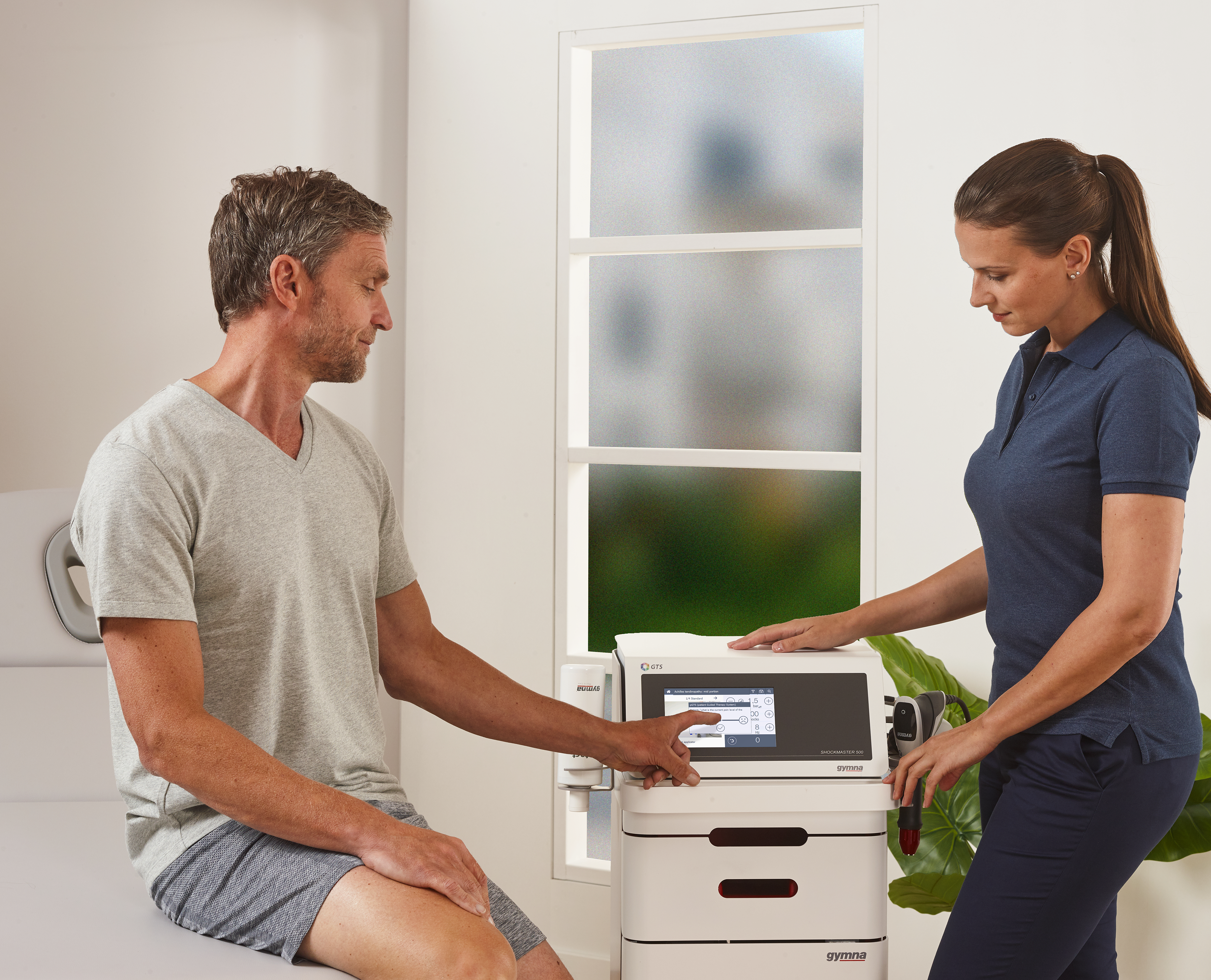
Ultimately, patient-oriented shockwave therapy is not about following a rigid protocol or delivering more energy. It’s about delivering the right stimulus, at the right time, for the right patient, guided by clinical reasoning, ongoing feedback, and flexible parameter adjustment.
Within this context, Gymna’s ShockMaster series, equipped with the patient Guided Therapy System (pGTS), is specifically designed to support progressive, tissue-specific treatments rather than fixed settings, helping physiotherapists apply shockwave therapy in a patient-oriented, guided manner. By integrating patient-reported pain, the personal physiotherapist’s assessment, and session history, treatment intensity and dosage can be adapted safely over time, resulting in a more consistent, efficient workflow that supports individual patients without compromising clinical autonomy.
“With the Gymna ShockMaster, I’m treating a wider range of pathologies in a far more efficient way. The patient‑guided workflow helps me stay focused on individual responses and adapt treatments quickly.” Lisa Thomas, Physiotherapist
Discover the Gymna ShockMaster 500
When patients feel involved in the process and treatments are clearly linked to their stage of recovery, expectations become easier to manage and progress becomes more transparent. Shockwave therapy is not about delivering more energy, it is about delivering the right stimulus at the right time, for the right patient.
Exploring Patient-Guided Shockwave Therapy in Practice
For physiotherapists looking to further support a patient-oriented approach, the Gymna ShockMaster 500 is designed to work alongside clinical reasoning rather than replace it. By offering guided therapy options and intuitive parameter support, the ShockMaster 300 helps physiotherapists adapt treatments to individual tissue needs while maintaining full control over clinical decisions.
Patient Guided Therapy encourages collaboration between therapist and patient, using clear feedback and structured guidance to support appropriate energy delivery throughout the treatment session. Treatment parameters are easy and quickly adjustable at any time before or during the treatment session. This can be particularly helpful when working with varying pain sensitivities or progressing treatment over time.
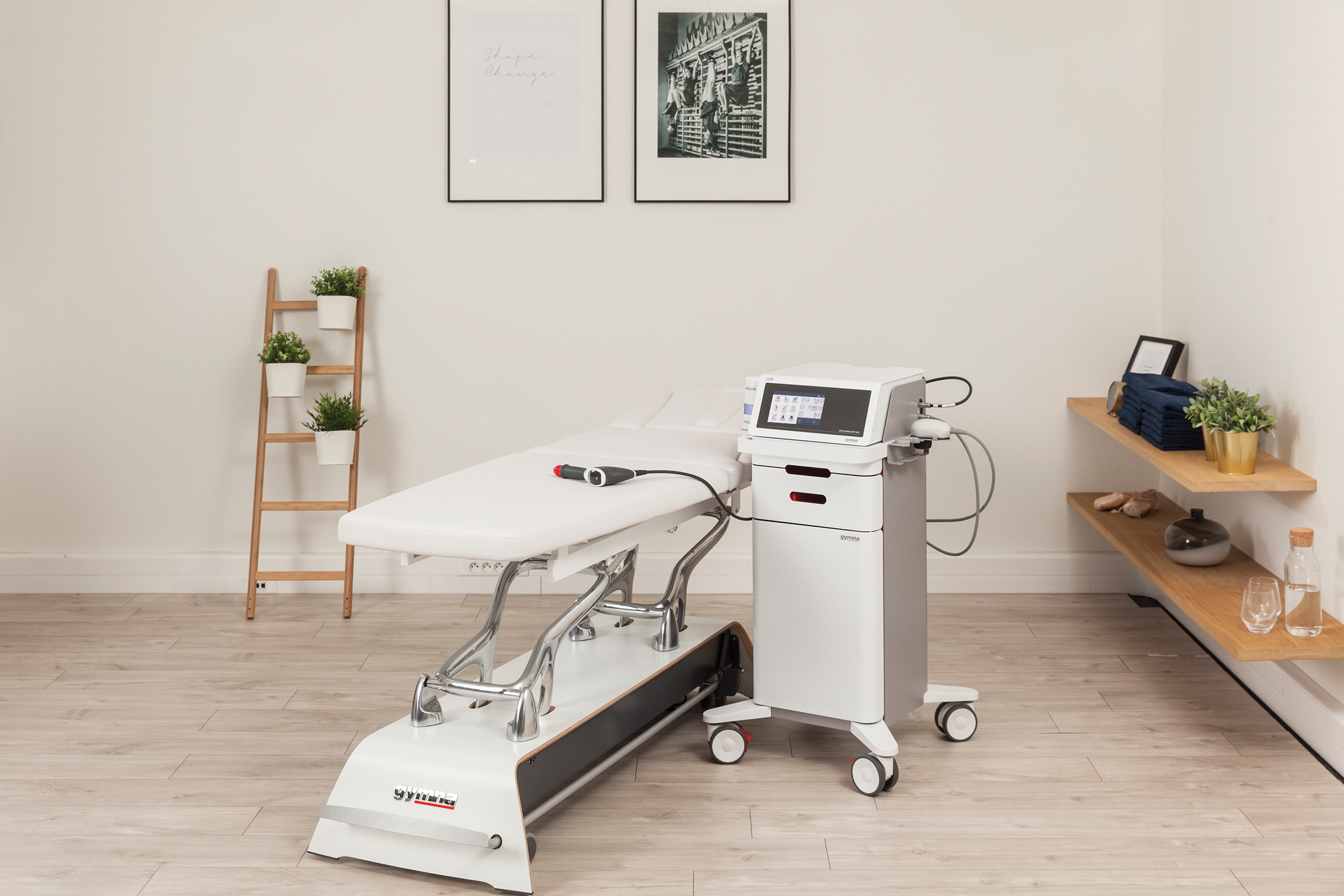
Discover how the Gymna ShockMaster 500 can help you integrate patient-guided shockwave therapy into your daily physiotherapy practice, supporting confident decision-making without relying on rigid, one-size-fits-all protocols.
Discover the Gymna ShockMaster 500
Would you like to discover how shockwave therapy can strengthen your practice, or do you have specific questions about its application? Our team is ready to help you with tailored advice and practical tips.
Contact us and discover the possibilities for your patients and practice!
Please note that:
The treatment applications and pre-programmed settings are based on the combination of clinical evidence and expertise of specialists in traditional electrophysical agents (EPA’s), to achieve optimal results. They are not intended to constitute any medical claim under the MDR; the therapist remains responsible for medical advice, treatment and results.
Share this article


 +32 89 510 532
 info@gymna.com


