




 Belgium -
English
Belgium -
English

Small patients, big potential
Shockwave therapy has been used for years as a supportive approach to help manage spasticity in adults.
But for children with spasticity, including those with cerebral palsy and other neuromotor disabilities, its potential remains largely unexplored.
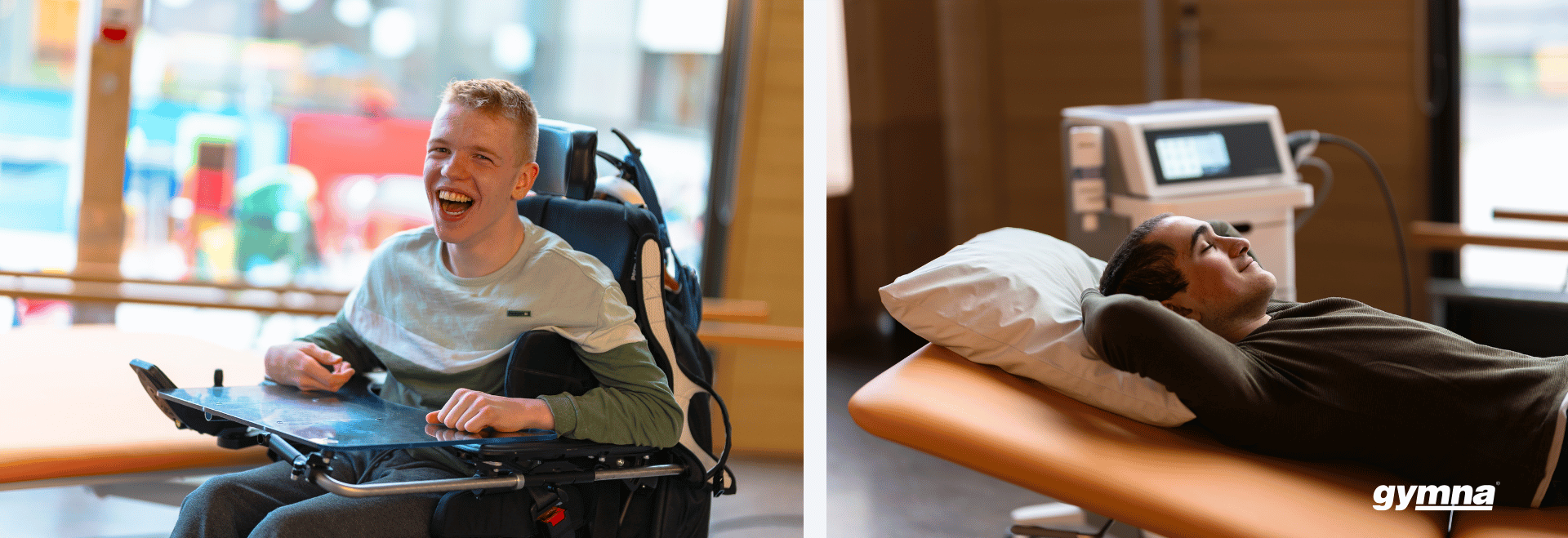
At Gymna, we stumbled upon a question that many had wondered about but few had pursued, so we set out to understand it better:
“Could radial shockwave therapy be safely and comfortably integrated into paediatric care—and might it, in time, support children in moving with greater ease?”
To explore this possibility, we joined forces with Sint-Gerardus in Belgium. Twenty-one children, each with their own hopes and dreams, became part of a pioneering pilot study on shockwave therapy for paediatric spasticity. Soon, their stories became much more than data points and clinical observations. They became the heartbeat of the study.
The research behind the journey
Between October 2024 and May 2025, 21 children aged 6–18 years participated in an ethically approved, independently monitored pilot study on shockwave therapy for paediatric spasticity.
Each child received four radial shockwave sessions, integrated into their regular care plan. Every treatment session targeted two muscle groups of the upper or lower extremities using:
- two series of 2000 shocks
- two different applicator heads,
- one-week intervals between sessions.
Each shockwave session lasted about 15 minutes—small in time, but often significant in impact.
To ensure objective outcomes, the evaluations were carried out blindly by therapists who did not administer the treatment themselves. Along with examining the treatment’s usability, its acceptance and safety, three validated tools were used to assess the effectiveness of the performance of the shockwave therapy sessions:
- Modified Ashworth Scale (MAS) – degree of spasticity
- Range of Motion (ROM) – degree of mobility
- Patient Specific Functional Scale (PSFS) – daily functioning
What the study showed
- No dropouts related to the shockwave intervention and no unexpected side effects.
- Safe, well-tolerated and easy to integrate.
- Promising and meaningful improvements in spasticity and functional mobility.
- Functional improvement was shown in >50% of essential activities like dressing or eating—improvements in such simple actions that open doors to greater independence.
The therapists who applied the shockwave treatments observed what appeared to be immediate improvements in mobility and relaxation. Some of the children reported feeling less tension. Their parents noted that daily routines seemed to have become somewhat easier.
Sarah, Research coordinator at FRAME summarised:
“Even with a small and diverse group, the results showed significant improvements. That is very impressive and definitely unexpected.”
And behind every number was a story worth telling.
When research turns into human stories
Our pilot study became more than a clinical project. It became a documentary.
In collaboration with Sint-Gerardus, Frame and the University of Hasselt, we followed the journey from the earliest ideas to the real, emotional and inspiring moments inside the therapy rooms.
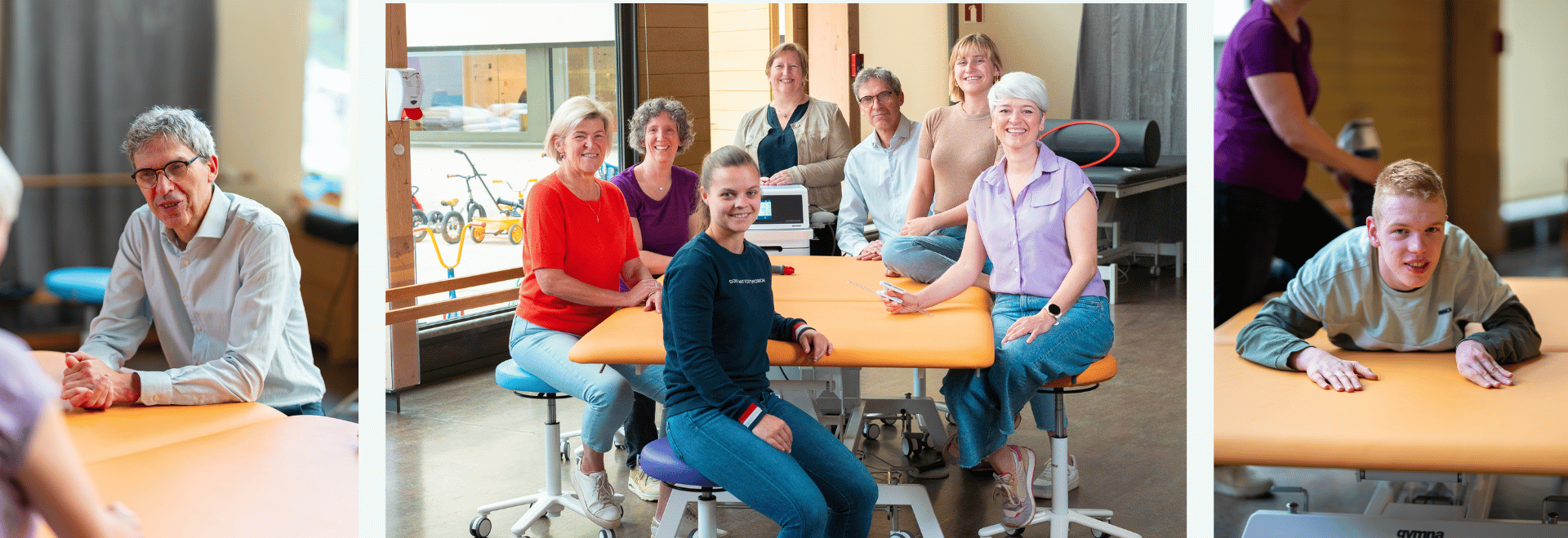
The result is a touching four-part documentary Onder Spanning (Breaking the Tension), that reveals how science, compassion, and courage intertwine. It brings you inside the story—from hopes and expectations to measurements and outcomes. You’ll meet real children, real therapists, real emotions—and real progress.
These aren’t just results. These are faces, voices, and small victories: a more relaxed arm, a smoother step, fewer nighttime cramps, a button fastened without help. Every step mattered. Every small win meant the world. For the children and their families, these moments were huge.
A study born from hope—and big dreams
Behind the scenes, our team carried hopes of their own.
Clinical Manager Lise Op de Beeck
Lise Op de Beeck, the driving force behind the research, is pleased with the results:
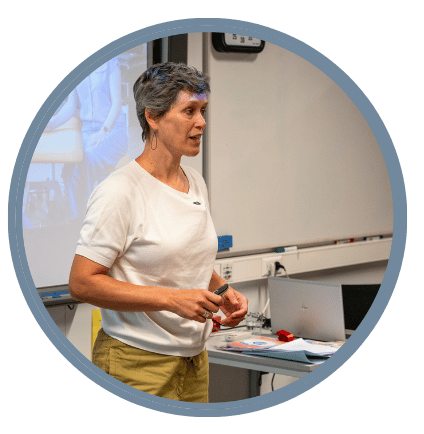
"The participants accepted the therapy well and more than half of the ADL activities, such as dressing or eating, showed improvement. The therapy is safe and accessible and can therefore be used responsibly as a supplement to conventional therapy for children with cerebral palsy. Finally, we also saw a statistically significant decrease in spasticity in certain muscle groups, such as the biceps, wrist flexors and hamstrings."
Lise dreams of going further for children with cerebral palsy.
"If I dare to dream big, this pilot study will be the start of a larger one. We hope that, in the future, more invasive interventions can be postponed – and that radial shockwave therapy may one day be included in treatment guidelines for spasticity in children."
Product Manager Wim Smeets
Wim envisions shockwave therapy supporting a broader patient group:
"When people think of spasticity, they think of severely disabled people, but shockwave therapy can also help people with cerebral palsy, with Parkinson's disease, stroke or traumatic brain injury”.
Learn more about shockwave therapy in paediatric spasticity
The children and families
Parents hoped for less pain, more comfort and mobility. The children wished for easier walking, better grip, less tension… and sometimes, dreams as big as postponing or avoiding surgery.
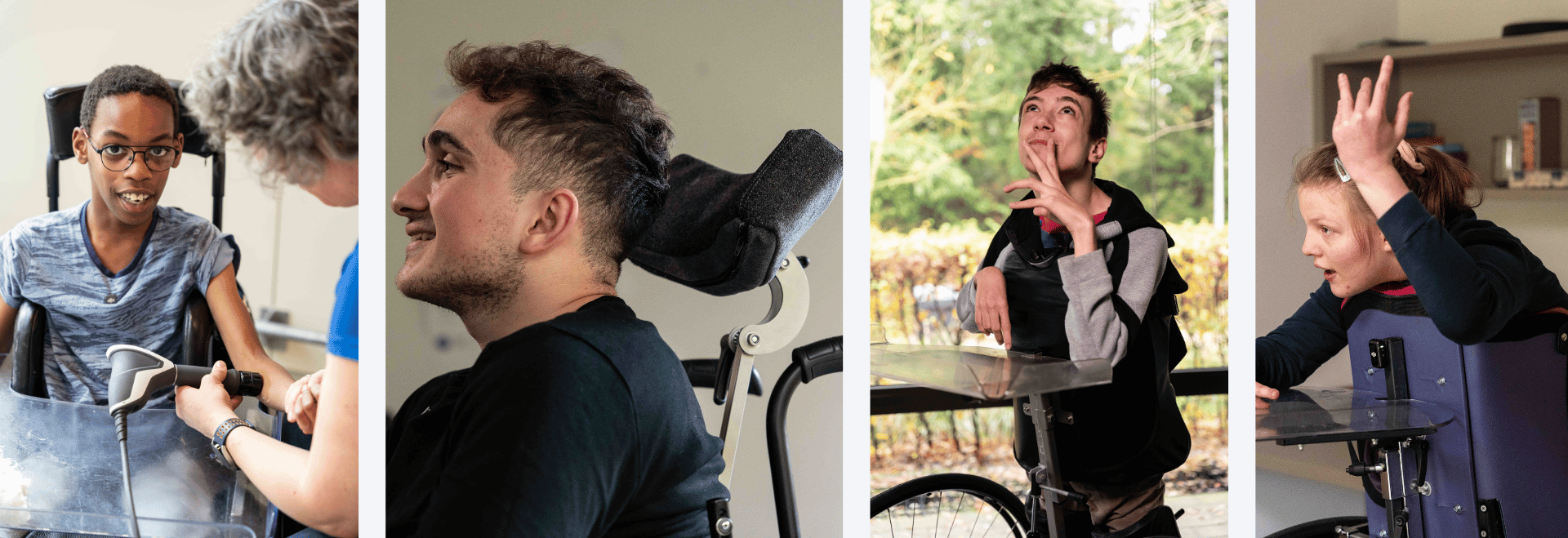
Participant Daniël expressed it best:
“The therapy didn’t just help me - It changed me as a person.”
Gymna ShockMaster 300 – technology with a human face
This pilot study gave us more than valuable data.
It gave us faces.
It gave us purpose.
Guided by published evidence and informed by insights from clinical experts, we’re developing more targeted, evidence-based treatment suggestions to guide physiotherapists in treating spasticity— shaped by real experiences, grounded in established research, trusted by clinicians and designed to support patients with neuromotor conditions.
Shockwave therapy -once mainly associated with sports injuries and tendinopathies- is proving its value far beyond that. From cerebral palsy to stroke, Parkinson’s, traumatic brain injury and several other conditions—its potential benefits reach far wider than most realise.
Thanks to the children of Sint-Gerardus, we’re one step closer to shaping a future where safe, accessible and non-invasive treatment options are available to anyone.
Discover the Gymna ShockMaster 300 Discover the Gymna ShockMaster 500
 +32 89 510 532
 info@gymna.com


