




 Belgium -
English
Belgium -
English

LIPUS for (stress)fractures
When is therapeutic ultrasound appropriate?
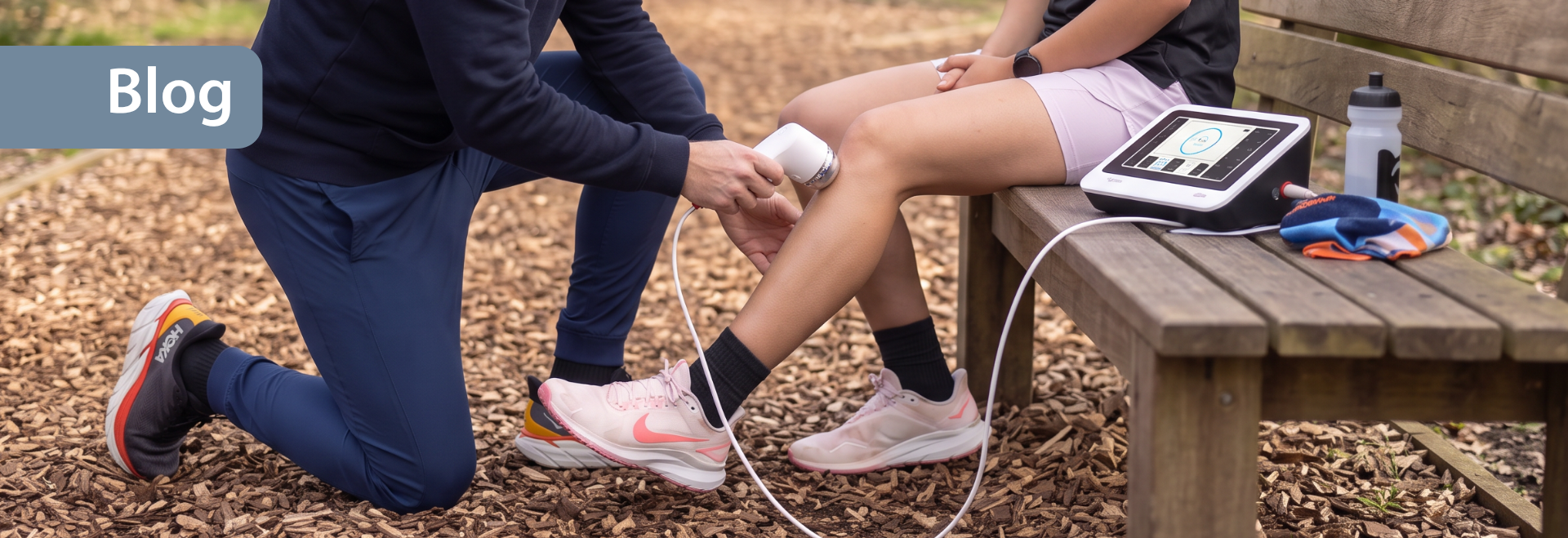
An avid runner comes to your practice complaining of persistent localised pain in their shin. During the medical history, you become increasingly suspicious of a stress fracture. Your patient had expected to simply need to take it easy for a while, but suddenly receives a very different message: stop training immediately and drastically reduce the load. His first question is logical and direct: “When can I start building up again, and how do we go about it sensibly?”
In brief
LIPUS, Low-Intensity Pulsed Ultrasound, is a form of low-intensity therapeutic ultrasound. In the case of stress fractures, LIPUS never replaces load management, rest or gradual progression. However, it can be a complementary option for patients whose bone healing requires extra support, for example where there are risk factors for delayed recovery.
What is a stress fracture?
A stress fracture is caused by overloading the bone. Sometimes this overload can disrupt bone metabolism, leading to a decline in bone quality. If the cortical bone is disrupted as a result, a stress fracture has occurred.[1] Stress fractures almost never develop into full fractures, as the patient usually stops their activities before that point due to pain[1] .
How do you recognise a stress fracture?
A stress fracture often begins with a mild, nagging pain at the end of a period of exertion, which disappears at rest. The pain sets in more and more quickly and eventually persists even at rest. A very recognisable sign is that your patient can pinpoint the pain with a single finger, whereas other overuse injuries involve a more extensive and diffuse area of pain.
Where do stress fractures commonly occur?
Stress fractures mainly occur in weight-bearing joints of the lower limbs, such as the foot, lower leg or pelvis. The distal third of the tibia is most commonly affected, and you often see mixed presentations involving periostitis or compartment syndrome.
Which patients are at greater risk of stress fractures?
Athletes who subject their lower limbs to high levels of repetitive stress are particularly at risk of stress fractures. These include runners, footballers, dancers and gymnasts. There is also a higher risk for athletes who suddenly increase their training load, or for beginners or recreational athletes who suddenly start doing more than their bodies are used to.
Physiotherapy treatment for stress fractures
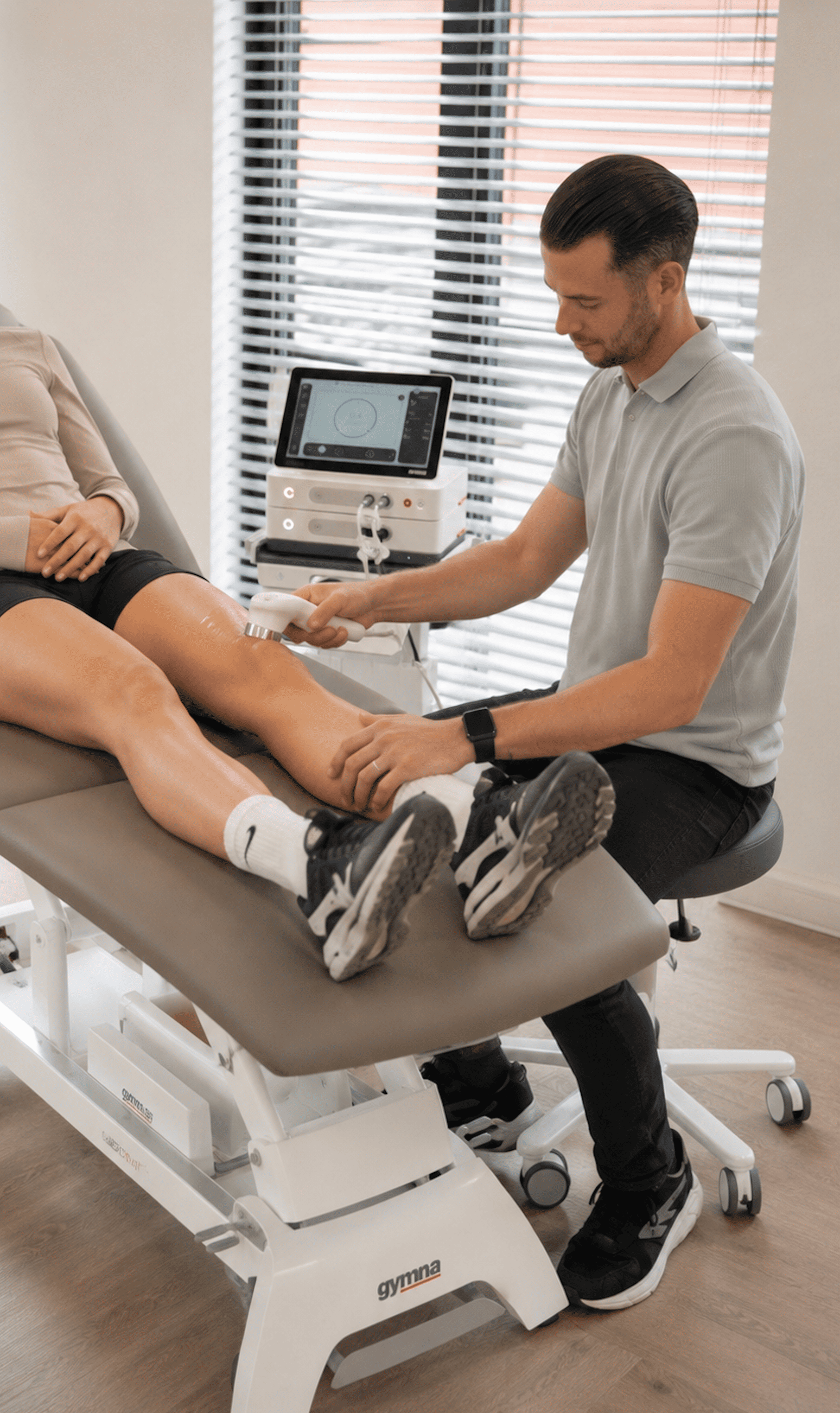
Due to the characteristic symptoms, a stress fracture is often suspected as early as the medical history stage. If the picture is unclear and you would still like to be certain, you can refer your patient for imaging. Important to note: a doctor may not opt for an X-ray, as these will still show negative results during the first three weeks. However, an MRI or bone scan can detect a stress fracture at an early stage.
Treatment of a stress fracture by a physiotherapist
Your strength as a (sports) physiotherapist lies in carefully managing workload, recovery and confidence. Research shows that it is best for your patient to completely stop the high-impact sporting activity for five to eight weeks. Of course, they may still maintain their cardiovascular fitness. This can be done, depending on the level of pain, through low-impact activities such as swimming, cycling or gym exercises without impact. Once the patient no longer experiences any symptoms in their daily life, they may gradually resume their sporting activity.
An additional physiotherapy option for the treatment of stress fractures
In addition to load management, there is an interesting complementary option that can be used when bone healing requires just that little bit more attention: Low-Intensity Pulsed Ultrasound, or LIPUS. But before we look at its application in more detail: what exactly is LIPUS?
What is LIPUS and when is it used?
LIPUS is a form of therapeutic ultrasound that uses low intensity and pulsed application. According to the National Institute for Health and Care Excellence in the United Kingdom (NICE), the aim is to deliver micro-mechanical stress to bone tissue to stimulate bone healing. The technique is similar to therapeutic ultrasound, but with a specific biological objective rather than tissue therapy.
 To better understand LIPUS in a clinical context, we spoke to biomedical engineer, co-founder and chief technology officer at Ostracon Ltd. Vasilis Protopappas. During his PhD research (2000–2004), he contributed to a major European research project on the use of LIPUS for (stress) fractures [2].
For which patients with (stress) fractures might LIPUS be beneficial?
According to Vasilis Protopappas, most fractures heal within three months, but 5 per cent of patients experience delayed union or non-union.
Factors contributing to delayed or non-union of fractures:
- Advanced age
- Smoking
- Obesity
- Metabolic disorders
- Poor blood supply
- Mechanical instability
These patients could therefore do with some extra help, for example in the form of LIPUS. Vasilis:
“In these cases, LIPUS is the best-studied intervention [3] and is also the preferred option for minimising the risk of delayed union or non-union in high-risk patients.”
So it’s certainly worth a try.
The role of the physiotherapist in the recovery process for stress fractures
LIPUS is a powerful treatment modality that can be used at any stage of the recovery process. Vasilis:
“The physiotherapist plays a key role in the early identification of high-risk patients and in selecting suitable interventions that support the recovery process . As an evidence-based treatment modality, LIPUS can play a complementary role in this.”
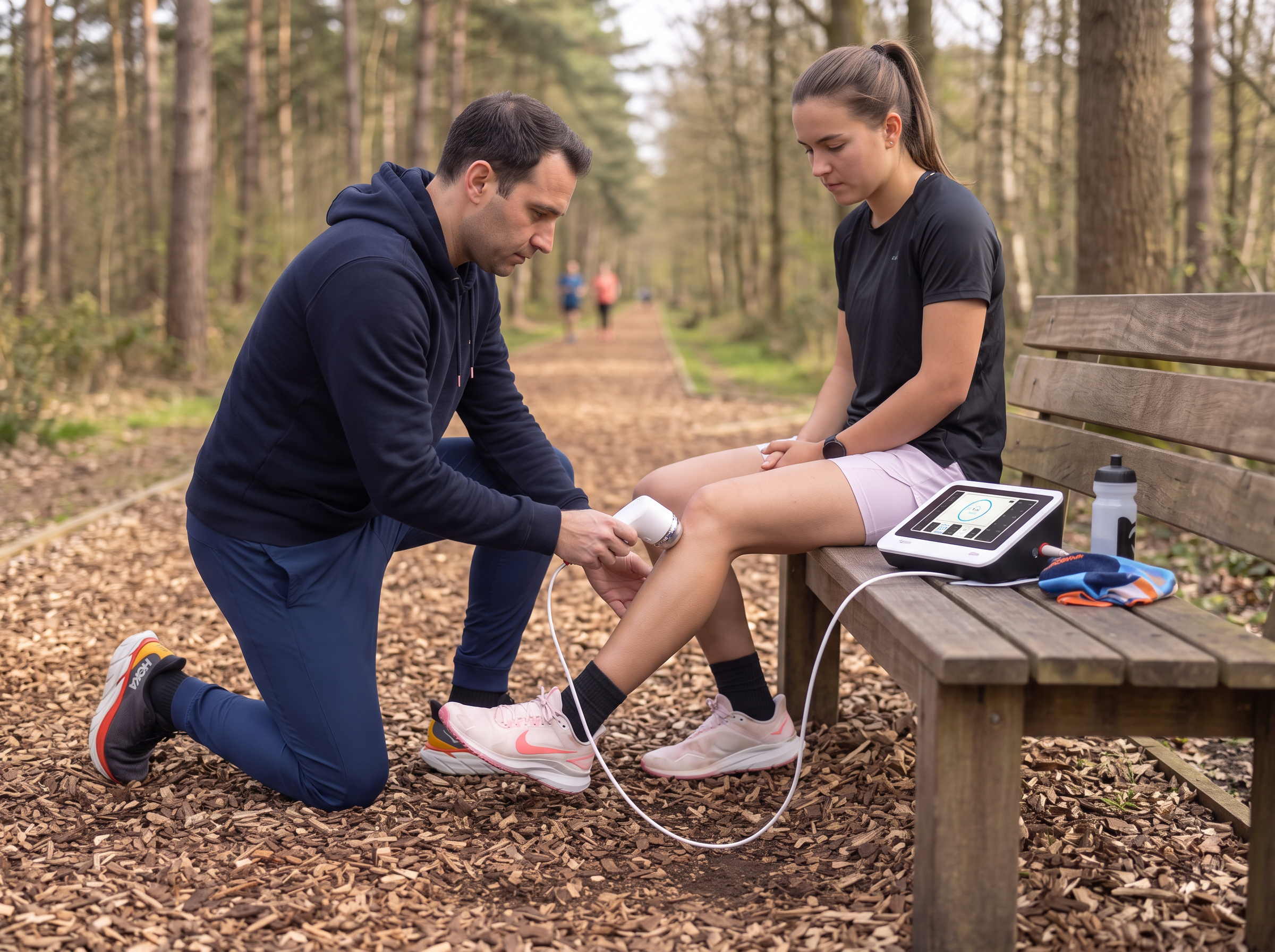
But for which patients would you opt to supplement treatment with LIPUS? Vasilis explains:
“A physiotherapist can use LIPUS proactively with high-risk patients to minimise the risk of complications during bone healing. In addition, LIPUS can also help with stress fractures that are healing normally by positively influencing the recovery time. Finally, it can be used as a last resort before deciding on surgery for a patient with complications.”
There is solid scientific evidence to support this, like a recent review by Palanisamy et al. (2022) [4]. This review showed "[proven acceleration] of the bone formation in fresh fractures, delayed unions, nonunions and distraction osteogenesis". And the study recommends LIPUS treatment as a "safe therapy when compared to existing fracture treatments".
LIPUS in your clinical reasoning process
Do you have patients with bone-related complaints where recovery is slow? Are you looking for new treatment options for patients with stress fractures? LIPUS might just be the complementary treatment you’re looking for. Vasilis:
“Do bear in mind that LIPUS is a complement to your therapy and not a substitute for the process of immobilisation, appropriate loading and gradual progression. Ensure that you always tailor the dosage to your patient and their individual characteristics (e.g. age and comorbidities). And, last but not least, manage your patient’s expectations.”
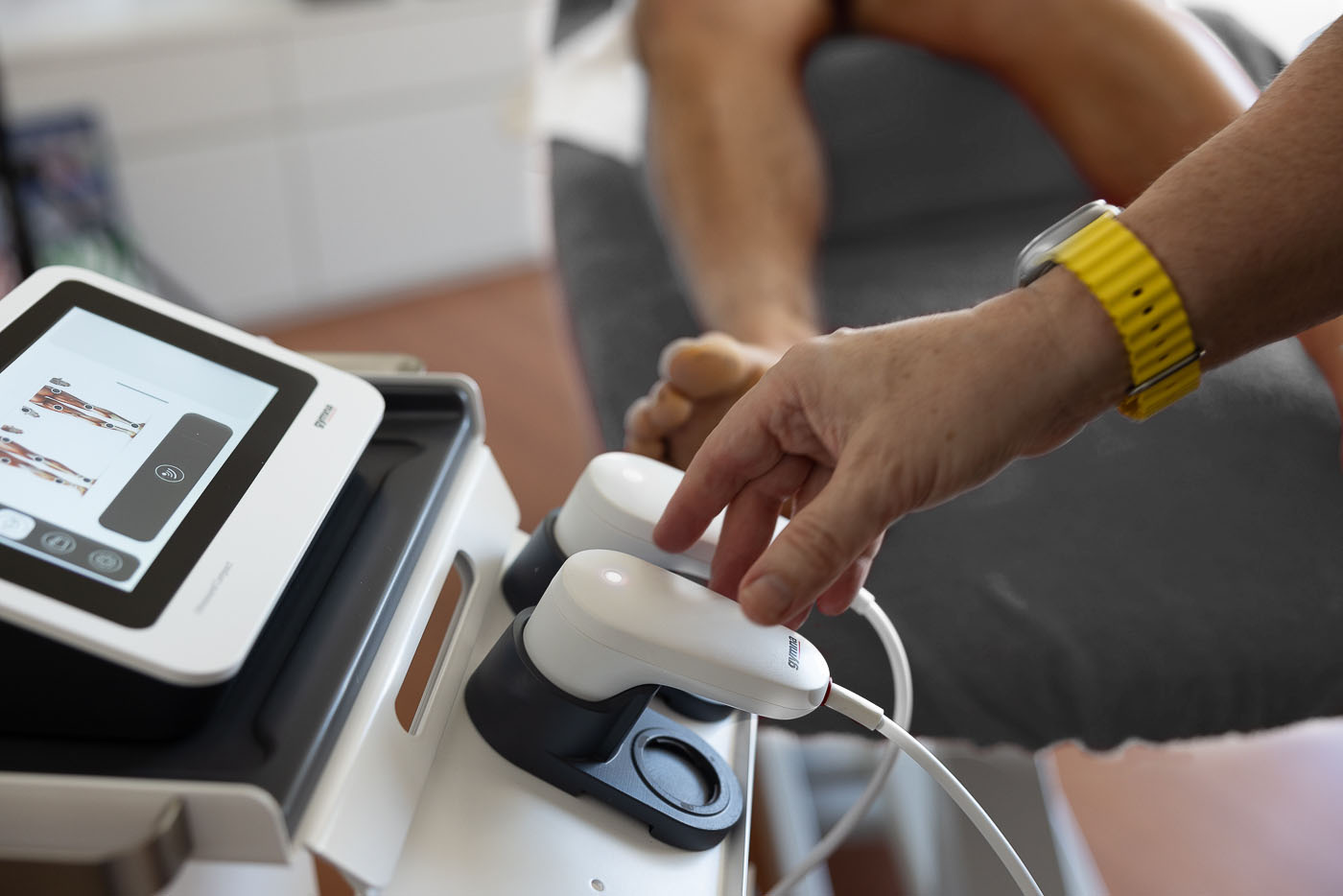
So, above all, make sure to incorporate LIPUS into your clinical reasoning process. Ask yourself whether this support is appropriate and how it fits within the overall recovery plan. The value of this accessible and pain-free treatment therefore lies not in grand promises, but in carefully considering the right patient, the right stage and the right treatment goal [5].
The value of LIPUS lies not in grand promises, but in carefully considering the right patient, the right stage and the right treatment goal.
Ultrasound back in your physiotherapy practice
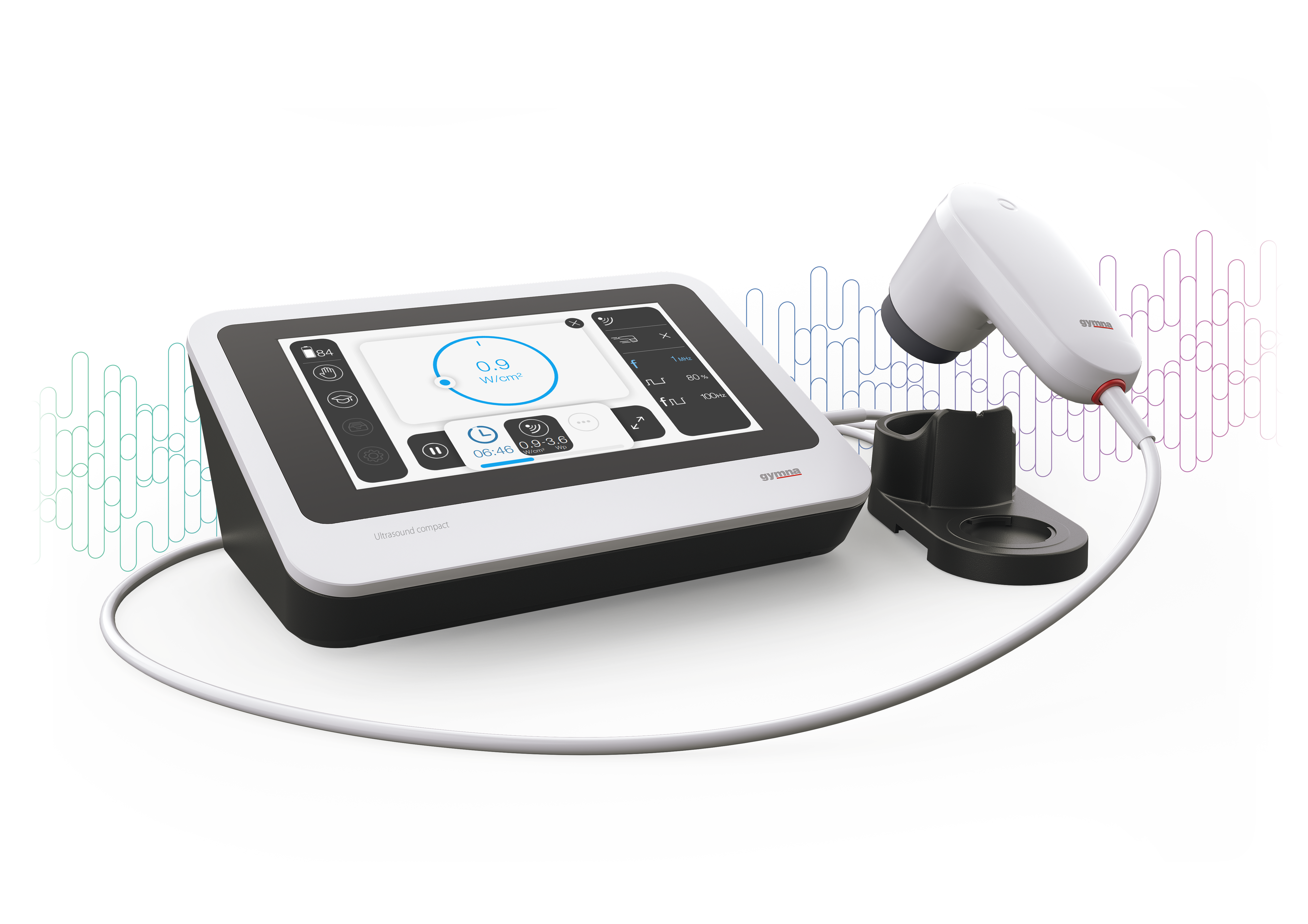
Would you like to reintroduce ultrasound into your practice? Then it helps if the technology is simple, reliable and practical to use, such as Gymna’s Ultrasound compact.
 Discover the Ultrasound compact
The Gymna Ultrasound compact has features that are well suited to the modern practice:
- A compact design that suits a time when space is at a premium
- Easy to use thanks to the intuitive and clear interface on a 7-inch touchscreen
- The DynamUS warning system, which lights up orange if you’re moving the treatment head too quickly or too slowly
- The ability to save personalised protocols to save on administrative time
- A rechargeable battery for flexible use of ultrasound, even when you’re not working right next to a power socket
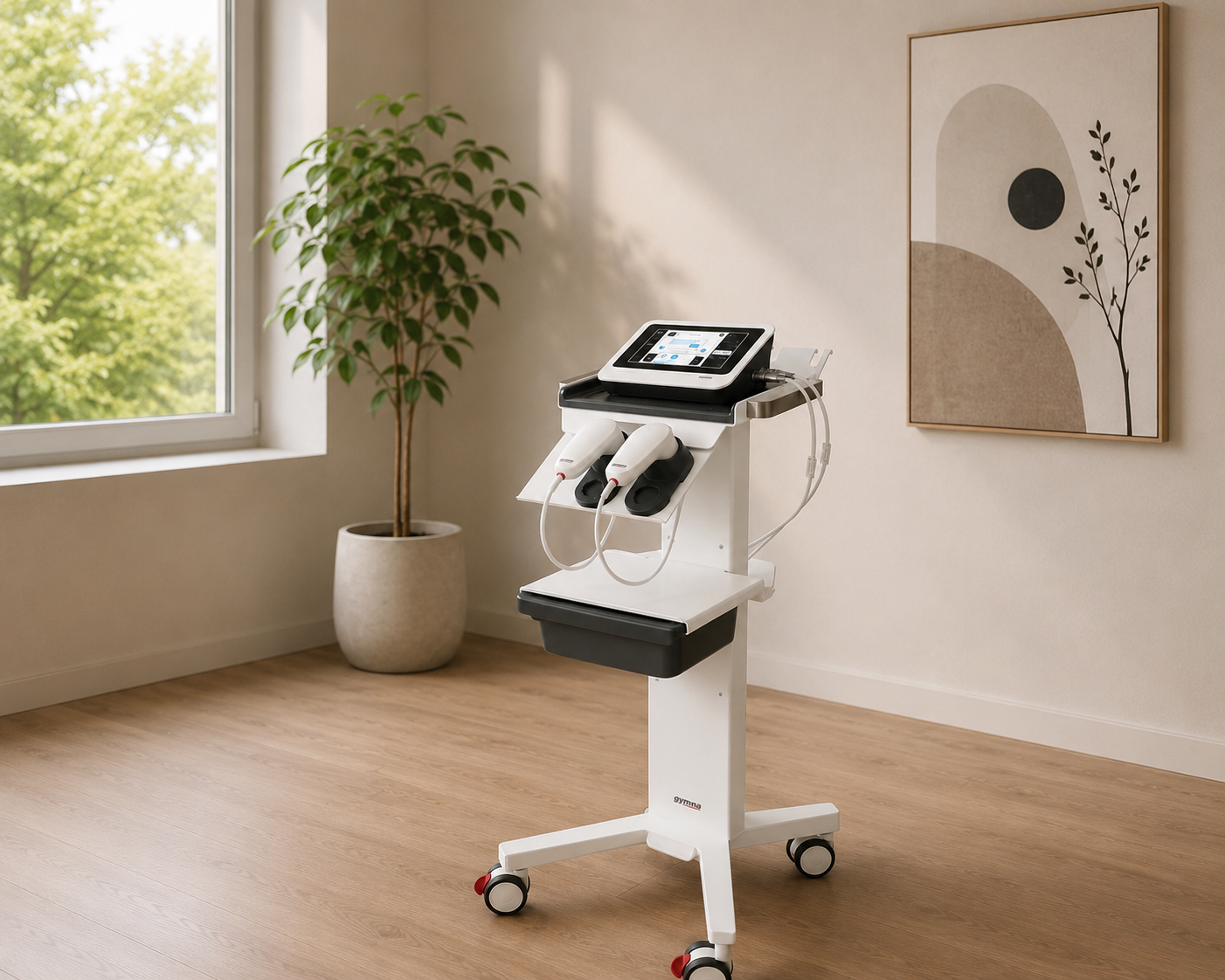
Would you like to find out if the Ultrasound compact is suitable for your physiotherapy practice? Request a demo and discover how you can easily integrate therapeutic ultrasound into your daily practice.
Check out compact ultrasound therapy
[1] Hartgens, F., Hoogeveen, A. R., & Brink, P. R. (2008). Athletes with exercise-related pain on the medial side of the lower leg. Nederlands tijdschrift voor geneeskunde, 152(33), 1839–1843.
[2] Malizos KN, Papachristos AA, Protopappas VC, Fotiadis DI. Transosseous application of low-intensity ultrasound for the enhancement and monitoring of fracture healing process in a sheep osteotomy model. Bone. 2006 Apr;38(4):530-9. doi: 10.1016/j.bone.2005.10.012. Epub 2005 Dec 20. PMID: 16361120.
[3] Malizos KN, Hantes ME, Protopappas V, Papachristos A. Low-intensity pulsed ultrasound for bone healing: an overview. Injury. 2006 Apr;37 Suppl 1:S56-62. doi: 10.1016/j.injury.2006.02.037. Epub 2006 Apr 3. PMID: 16581076.
[4] Palanisamy P, Alam M, Li S, Chow SKH, Zheng YP. Low-Intensity Pulsed Ultrasound Stimulation for Bone Fractures Healing: A Review. J Ultrasound Med. 2022 Mar;41(3):547-563. doi: 10.1002/jum.15738. Epub 2021 May 5. PMID: 33949710; PMCID: PMC9290611.
[5] Li L, Yang L, Yang Y, Zhu J, Shi R, Deng Q, Wang J, Sun F. Evaluation of the efficacy of physical agent modalities in patients with fractures: a systematic review and network meta-analysis. Front Med (Lausanne). 2025 Oct 29;12:1646903. doi: 10.3389/fmed.2025.1646903. PMID: 41244766; PMCID: PMC12614468.
Share this article


 +32 89 510 532
 info@gymna.com


